Zen Aesthetic for Productivity
Discover how zen-inspired visual environments transform your workspace into a sanctuary of focused productivity and calm clarity.
Complete Guide to Zen Aesthetic Productivity
The Philosophy Behind Zen Aesthetics
Zen Buddhism arrived in Japan from China in the 12th century and profoundly influenced Japanese culture, including visual aesthetics. The core teaching—that enlightenment comes through direct experience rather than intellectual understanding—shaped environments designed to support presence and awareness. Zen aesthetics prioritize suggesting over stating, simplicity over complexity, and natural over artificial. The seven design principles include kanso (simplicity), fukinsei (asymmetry), shibui (understated elegance), shizen (naturalness), yugen (subtle profundity), datsuzoku (freedom from convention), and seijaku (tranquility). Understanding these principles reveals why zen environments feel so conducive to concentration—they were explicitly designed to support sustained, undistracted attention.
Psychological Science of Calm Environments
Modern research validates what zen practitioners discovered experientially. Environmental psychology studies demonstrate that visual complexity increases cognitive load and physiological stress markers. Conversely, natural scenes and minimal environments promote parasympathetic nervous system activation—the "rest and digest" state optimal for cognitive performance. A 2015 study in the Journal of Environmental Psychology found that participants in visually simple rooms performed better on attention-demanding tasks than those in cluttered spaces. The zen principle of ma (negative space) directly reduces the visual information your brain must process, liberating cognitive resources for productive work.
When Zen Aesthetics Work Best
Zen environments excel for specific cognitive modes. Deep work requiring sustained concentration—writing, programming, analysis, strategic thinking—benefits enormously from zen aesthetics. Learning complex material becomes easier when your environment supports rather than fragments attention. Reflective tasks like journaling, planning, and reviewing align naturally with zen contemplative qualities. Creative work often improves in zen environments because the mental quiet allows ideas to surface organically. The main exception is highly social or collaborative work, which may benefit from more stimulating environments that elevate energy and promote interaction.
Customizing Your Zen Environment
While zen principles provide guidelines, personal resonance matters. Some prefer the stark minimalism of stone gardens; others need the softening presence of water or plants. Experiment with different zen themes to discover which specific aesthetic supports your best focus. Consider time of day—perhaps morning calls for energizing misty mountain scenes while evening suits warm candlelit simplicity. Notice how different zen variations affect your mood and concentration, then build a personal library of themes matched to tasks and times. The goal is not adherence to rules but discovering what genuinely supports your focused attention.
Integrating Zen Focus with Productivity Systems
Zen aesthetics enhance rather than replace productivity methods. Time-blocking becomes more effective when blocks unfold in calm environments. The Pomodoro Technique gains meditative quality when focus intervals occur within zen themes. Getting Things Done (GTD) captures and processes benefit from the mental clarity zen environments provide. Even intensive methods like deep work scheduled blocking pair well with zen aesthetics—the environment supports the sustained attention these methods demand. View zen aesthetics as the environmental foundation beneath whatever productivity architecture you have built.
Featured Themes
Each theme is carefully crafted to create the perfect atmosphere for your focus sessions.

Stone Garden
Minimal & Focused
Water Reflection
Calm & Clear
Misty Mountain
Ethereal & Vast
Empty Room
Pure & Spacious
More Than Just Backgrounds
Zen aesthetics emerged from centuries of Buddhist practice focused on achieving clarity and presence. The visual principles—empty space, natural materials, muted colors, and intentional simplicity—are designed to quiet the mind and reduce mental clutter. Applied to your digital workspace, zen aesthetics create an environment where focus arises naturally. Rather than fighting distractions in a visually chaotic space, you work within an atmosphere that actively supports concentration. The Zen tradition developed in monasteries where monks needed environments conducive to hours of meditation—the same sustained attention modern knowledge workers require. When you adopt zen aesthetics for productivity, you benefit from a visual philosophy battle-tested across centuries for exactly this purpose. Bento brings authentic zen aesthetics to your focus sessions through carefully designed live themes that honor these timeless principles while adapting them for digital contexts.
Mental Clarity
Zen aesthetics emphasize empty space and simplicity, reducing visual noise that contributes to mental clutter and scattered thinking. The Japanese concept of ma—meaningful emptiness—creates breathing room for your thoughts. When your visual field is clear, your mind follows. Studies in cognitive psychology confirm that visual simplicity reduces the cognitive load required for environmental processing, freeing mental resources for the task at hand.
Stress Reduction
The calming visual qualities of zen design activate relaxation responses, lowering cortisol and creating conditions for sustained focus. Natural colors, organic textures, and balanced compositions signal safety to our nervous systems evolved in natural environments. Unlike artificial high-contrast or neon-heavy designs that maintain alertness through mild stress, zen aesthetics achieve alertness through calm—a far more sustainable state for extended work.
Present-Moment Focus
Zen environments are designed for contemplation. They naturally draw attention to the present rather than past worries or future anxieties. The visual simplicity provides nothing for a wandering mind to latch onto, gently returning attention to immediate experience. This design principle directly serves focus—by removing visual triggers for mental time-travel, zen environments anchor you in the productive present moment.
Sustainable Work
Unlike high-stimulation environments that lead to burnout, zen aesthetics support calm productivity over extended periods. The nervous system can sustain relaxed attention indefinitely, while fight-or-flight attention rapidly depletes. Knowledge workers increasingly recognize that sustainable productivity requires environments supporting parasympathetic nervous system engagement—exactly what zen aesthetics provide.
How It Works
Transform your focus sessions in three simple steps.
Set Your Intention
Before starting, take a moment to clarify your focus intention. Zen practice begins with clear purpose. Name what you will accomplish in this session—this simple act aligns mind and environment toward a common goal.
Activate Zen Theme
Choose from Bento's zen-inspired themes. Each embodies principles of simplicity, balance, and natural beauty. Select based on the energy level your task requires—more austere themes for analytical work, slightly warmer themes for creative projects.
Practice Focused Presence
Work with full attention in your zen environment. When distracted, let the visual calm guide you back to center. The theme serves as an anchor—a glance at the serene scene can reset wandering attention without requiring you to leave your work context.
Get the Most from Your Themes
Expert tips to maximize your focus environment.
Extend Zen Beyond Screen
Clear your physical workspace to match your digital zen theme. Remove unnecessary items and create visual harmony. The cognitive dissonance of a cluttered desk surrounding a minimal screen undermines the calming effects you are cultivating.
Begin with Breath
Before starting your focus session, take three deep breaths while looking at your zen theme. This centers your attention and signals to your nervous system that it is time to settle into focused work. This brief ritual bridges the gap between scattered pre-work state and concentrated focus.
Embrace Imperfection
Zen philosophy values wabi-sabi—beauty in imperfection. Do not stress about perfect productivity; focus on present effort. When sessions do not go as planned, accept this as natural variation rather than failure. The zen approach values consistent practice over perfect outcomes.
Use Natural Light
When possible, work in natural light. This complements zen aesthetics and supports your circadian rhythm. The soft, variable quality of daylight harmonizes with zen themes far better than harsh artificial lighting, and benefits your biology simultaneously.
Practice Single-Tasking
Zen philosophy emphasizes wholeheartedness—doing one thing completely rather than many things partially. When using zen themes, commit to single-tasking. Close unnecessary applications, silence notifications, and give your current task undivided attention.
Create Transition Rituals
Develop brief rituals for entering and leaving your zen focus state. A moment of stillness, a conscious breath, or a simple gesture can signal the shift between ordinary activity and concentrated work. These transitions honor the sacred quality of focused attention.
Mistakes to Avoid
Learn from others' experiences and sidestep these common errors.
Treating zen aesthetics as merely visual decoration
Understand that zen environments are designed to affect your mental state, not just please your eyes. Engage with the aesthetic intentionally—let it calm your mind rather than simply scrolling past it. The benefit comes from genuine interaction with the environment, not its mere presence.
Creating cognitive dissonance between digital and physical environments
Align your physical workspace with your digital zen theme. If your screen displays serene minimalism while your desk overflows with clutter, the environments conflict. Spend a few minutes clearing your physical space before activating your zen focus session.
Using zen themes while maintaining distraction sources
A zen theme cannot overcome constant notification interruptions or multiple browser tabs demanding attention. When using zen aesthetics for focus, eliminate competing stimuli—silence notifications, close unnecessary applications, and commit to undivided attention.
Expecting immediate transformation without practice
Like any skill, using environments for focus requires practice. Initial sessions might not feel dramatically different. With consistent use, your brain learns to associate zen aesthetics with concentration, and the environmental cue becomes increasingly powerful over time.
Choosing themes based on novelty rather than effectiveness
While occasional variety prevents staleness, constantly switching themes undermines the learned association between environment and focus. Find two or three zen themes that genuinely support your concentration and use them consistently before introducing variety.
Real-World Examples
See how others apply these principles in practice.
Software Developer Daily Coding Sessions
A software developer uses a misty ink wash mountain theme during morning coding sessions. The monochromatic palette and soft gradients create visual quiet that allows complete immersion in complex codebases. The subtle movement of mist provides just enough visual interest to prevent fatigue during three-hour deep work blocks. After three months of consistent use, simply opening Bento and activating this theme immediately shifts their mental state toward focused programming—the association has become automatic.
Executive Strategic Planning Blocks
A startup CEO dedicates Friday mornings to strategic thinking using a still water reflection theme. The mirror-like surface and muted earth tones create contemplative space for high-level decisions away from operational urgency. The zen environment helps maintain perspective—preventing reactive thinking and supporting the calm deliberation that good strategy requires. These sessions have become the most valuable hours of their week.
Graduate Student Dissertation Writing
A doctoral candidate uses an autumn zen garden theme for dissertation writing sessions. The warm golds and restful composition support the patient, sustained effort academic writing demands. The theme provides emotional comfort during the isolation of long writing sessions while maintaining the mental clarity needed for scholarly argument. The consistent environment has helped establish a productive writing habit where resistance has transformed into routine.
Financial Analyst Detailed Review Work
A financial analyst uses a stone garden karesansui theme when reviewing complex spreadsheets and financial models. The stark simplicity and precise composition mirror the exactitude required for their work. The extreme minimalism helps maintain the vigilant attention needed to catch errors in detailed numerical data. The lack of visual distraction allows complete dedication to the numbers while the aesthetic beauty prevents the work from feeling oppressive.
Common Questions
Everything you need to know about Bento themes.
What makes an aesthetic "zen"?
Zen aesthetics feature simplicity, asymmetrical balance, natural materials and colors, empty space (ma), and subdued elegance. The goal is creating environments that quiet the mind rather than stimulate it, allowing for deeper presence and focus. Key principles include kanso (simplicity), fukinsei (controlled asymmetry), shibui (understated elegance), and seijaku (tranquility). These principles combine to create environments that feel both peaceful and subtly engaging—calm without being boring.
Is zen aesthetic suitable for all types of work?
Zen environments excel for tasks requiring concentration, deep thinking, and sustained attention. For highly creative brainstorming that benefits from stimulation, you might occasionally prefer a more dynamic theme, but many find zen aesthetics support all work types. The mental clarity zen provides often enhances creativity by reducing cognitive noise. The main exceptions are highly social tasks where environmental energy matters or very short tasks where environmental influence has less time to operate.
How does visual environment affect productivity?
Research shows that visual environments significantly impact cognitive function, stress levels, and attention capacity. Cluttered or overly stimulating environments increase cognitive load, while calming, organized spaces support better concentration and reduced mental fatigue. Your brain continuously processes visual information, even when you are not consciously attending to it. Calmer environments require less processing, freeing cognitive resources for your actual work. This is not subtle—studies show productivity differences of 15-20% based on environmental factors.
Can I customize the zen themes in Bento?
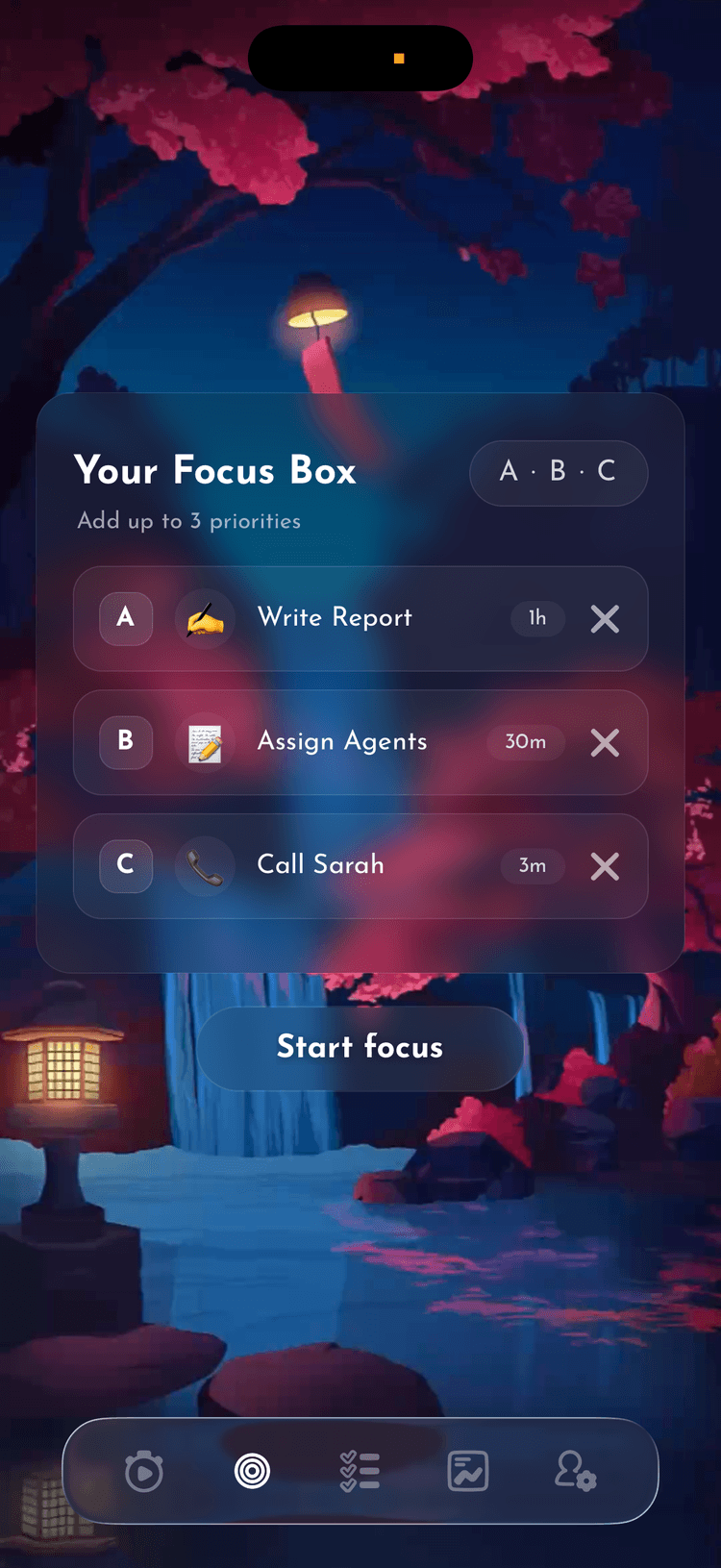
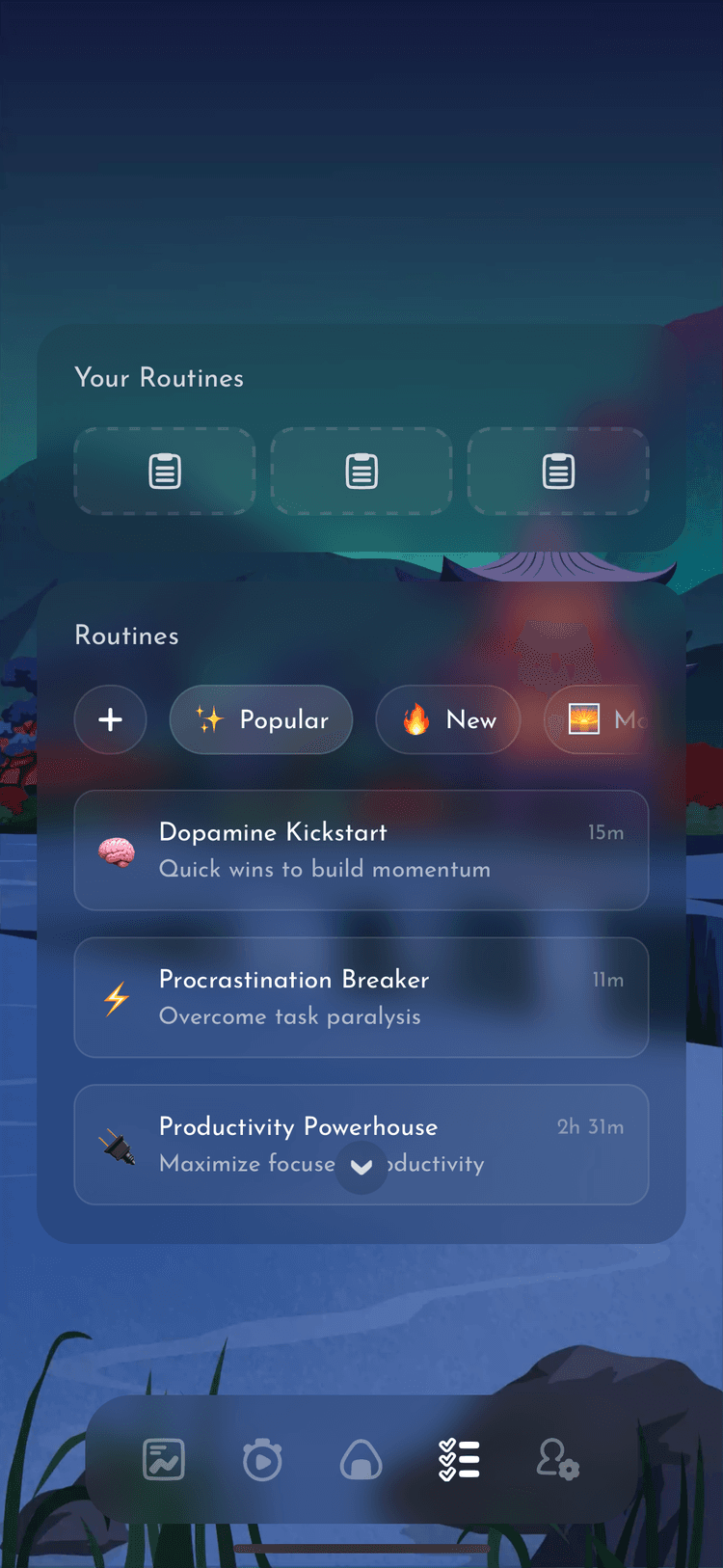
Bento offers multiple zen-inspired themes with different moods—from misty mountain scenes to still water reflections to austere stone gardens. While individual themes maintain their aesthetic integrity, you can choose which best supports your focus style. The variety allows you to match themes to tasks, times of day, or seasons while remaining within zen aesthetic principles.
How long before I notice benefits from zen environments?
Some people notice immediate calming effects from zen aesthetics. However, the deeper benefits—automatic focus triggering, reduced resistance to starting work, sustained attention improvement—develop over weeks of consistent use. Your brain learns to associate the zen environment with concentrated work, and this learned association strengthens with repetition. Commit to at least three weeks of regular use before evaluating effectiveness.
What is the difference between zen and minimalist aesthetics?
Minimalism focuses on reduction—removing elements to their essential core. Zen aesthetics share this quality but add specific principles like natural materials, asymmetrical balance, and meaningful empty space. Zen environments feel warmer and more organic than pure minimalism, which can feel stark or clinical. Both support focus, but zen aesthetics tend to feel more nurturing for extended periods.
Should I use the same zen theme every session?
Consistency strengthens the psychological association between environment and focus, but too much sameness can lead to habituation where the theme loses impact. A middle path works well: maintain two to three primary zen themes you rotate based on task type or mood, introducing occasional new themes to prevent staleness while preserving the learned focus-triggering effect of familiar scenes.
Experience Beautiful Focus
Download Bento and discover themes that make focus sessions something to look forward to.

Scan to download
Available on the App Store